
Why Small Class Sizes Matter


Small Groups, Big Impact
One of the most important parts of a child’s early learning experience is feeling truly seen, known, and supported.
At Explorer Children’s School, we intentionally keep our class sizes small because we believe children thrive when teachers have the time and space to build meaningful relationships with each child. Smaller classroom environments allow educators to provide individualized attention, respond to children’s interests, and create learning experiences that meet children where they are.
For young children, these everyday connections can make a lasting difference.

More Meaningful Teacher-Child Connections
In a smaller classroom, teachers have more opportunities to truly know each child—their personality, interests, strengths, and areas where they may need additional support.
When children know their teachers are paying attention and genuinely interested in them, they can develop a stronger sense of trust and belonging.
Small class sizes can provide children with:
Stronger teacher-child relationships
More one-on-one interaction
Increased emotional support
More opportunities to communicate their ideas
A calmer, more nurturing classroom environment
These relationships help children feel safe and confident, creating an environment where they can focus on exploring, experimenting, and learning.
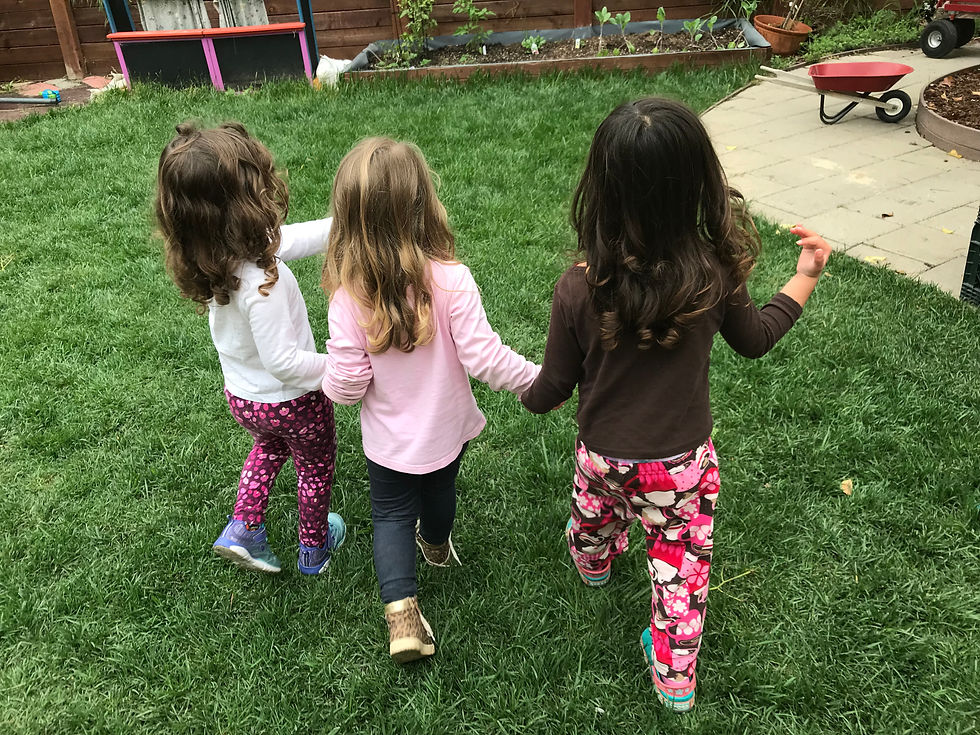
More Opportunities to Participate and Grow
Young children learn through active participation. They need opportunities to ask questions, share ideas, try something new, make mistakes, and try again.
Smaller group settings give children more opportunities to participate in meaningful ways. Rather than simply observing, children can become active contributors to their classroom community.
They have more opportunities to:
Share their ideas and perspectives
Explore at their own pace
Follow their interests and curiosity
Build friendships and practice social skills
Receive personalized guidance and encouragement
Develop confidence through hands-on experiences
Teachers are also able to observe more closely and respond intentionally. When an educator notices a child's particular interest or emerging skill, they can build on that moment and turn it into a meaningful learning opportunity.

A Thoughtful Approach to Early Childhood Education
At Explorer Children’s School, we believe quality early childhood education begins with presence, attention, and care.
Our goal isn't simply to manage a classroom. It is to create an environment where children feel supported, valued, capable, and inspired to learn.
Maintaining small class sizes and thoughtful teacher-child ratios allows our educators to be more present in the classroom and more responsive to the individual children in their care.
This approach is especially meaningful in a Reggio-inspired, play-based learning environment, where teachers pay close attention to children’s questions, interests, discoveries, and interactions.

Building a Strong Foundation for Lifelong Learning
Early childhood is an important stage of development. During these years, children are developing their understanding of themselves, their relationships with others, and what it means to be a learner.
When children feel emotionally safe, connected, and supported, they are more willing to explore their environment, take appropriate risks, express their ideas, build relationships, and develop confidence.
Small class sizes help make this possible by giving teachers more opportunities to be fully present and intentional with each child.
At Explorer Children’s School, we believe that strong early relationships provide an important foundation for curiosity, resilience, compassion, confidence, and a lifelong love of learning.

Why Small Class Sizes Matter
Choosing an early childhood program is about more than finding a place for your child to spend the day. It is about finding an environment where your child will be known, supported, challenged, and encouraged to grow.
At Explorer Children’s School, our small class sizes are one of the ways we create that environment.
We believe small groups can have a big impact—giving children more opportunities to connect, explore, discover, and grow.


Comments